Stop Buying Dashboards

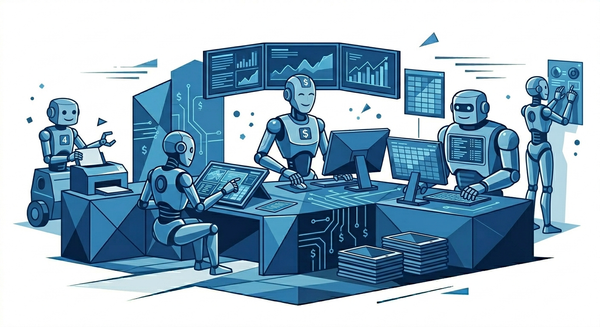
When I was younger, I had a friend named Sam.
Sam was not a particularly good friend. He was not terrible either. He was just always around. He knew enough people in the group to stay in the group, even though he regularly got himself into trouble and, occasionally, got the rest of us into trouble too.
Nobody really chose Sam. Sam just continued. Every financial institution has at least one vendor like that.
Expensive. Embedded. Hard to leave. Not loved, but renewed anyway.
Nobody is excited about it. Nobody believes it is transforming the institution. But it is connected to too many systems, too risky to rip out, and too familiar to challenge with real urgency. So the contract gets renewed, the reports keep arriving, and the institution keeps building workarounds around software that was supposed to make work easier.
That is the vendor trap. And it matters more now because the standard for software has changed. A few years ago, a feature request that took quarters felt normal. A roadmap that promised something “next year” was irritating but expected. Today, when small teams can build and test useful products in weeks, that answer should sound different.
If your vendor’s roadmap still feels like it was written for 2012, the question is not whether they are behind. The question is whether you are subsidizing their inertia.
The Problem Is Not Vendors
To be clear, this is not an anti-vendor argument.
Local financial institutions cannot and should not build everything themselves. That would be a waste of money, talent, and focus. The right vendors are essential. They give institutions capabilities they could never justify building internally. They help smaller teams compete with much larger ones. The problem is not buying software. The problem is buying dependence without speed.
One executive described the feeling plainly when asked whether they were comfortable relying on outside vendors: “No, I am not comfortable. But I do not have a choice.”
That sentence captures the real issue. A good vendor relationship should create leverage. Too many create resignation. The institution cannot leave, cannot move quickly, and cannot fully shape the experience its members or customers actually feel.
At that point, the vendor is no longer just a tool. It is a constraint.
Data Is Not Action
A lot of legacy software survives because it produces something that looks useful.
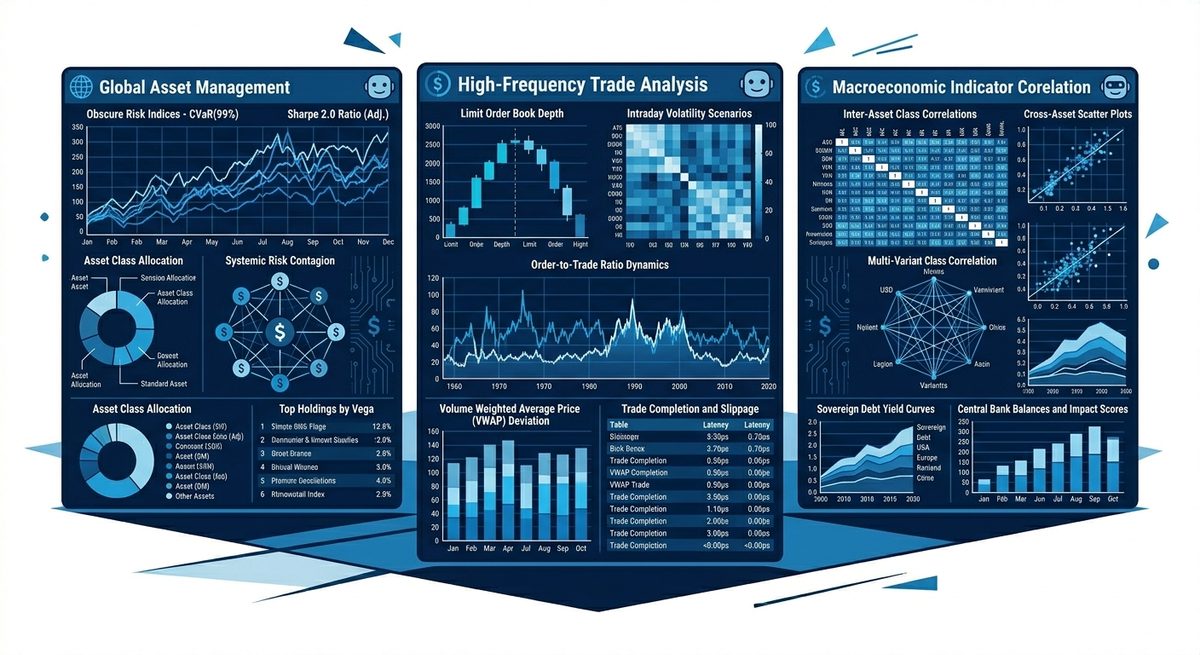
A report. A dashboard. A chart. A quarterly memo. A clean visualization of what happened after the opportunity already passed.
That is not enough anymore.
A dashboard that tells you deposits moved last month is not the same as software that tells you which deposits are at risk this morning. A report that shows application abandonment is not the same as a system that identifies who abandoned, where they stopped, and what should happen next. A chart that explains performance is not the same as a product that improves it.
One investor put it better than we could: “Insights alone are worthless. Actionability is everything.” That should be the line leaders come back to during every vendor renewal.
Not “does this tool give us more data?” The better question is, “does this tool change what we do?” Because a financial institution does not need more ways to admire the problem. It needs more ways to act on it.
The New Standard
The bar for vendors should be much higher than it has been.
Leaders should ask how quickly the product gets to value. Whether it can adjust to the institution, or whether the institution has to contort itself around the product. Whether it produces actions or just analysis. Whether pricing is tied to outcomes or just access. Whether the vendor makes the institution more capable over time, or just more informed.
That distinction matters.
In our research, 38% of surveyed financial institutions had no one driving AI strategy at all. Only 25% had an executive-led formal strategy. When no one owns the direction internally, vendor sprawl fills the vacuum. Teams buy tools in parallel. Features accumulate. Dashboards multiply. Leadership sees activity without momentum.
That is how institutions end up with software everywhere and leverage nowhere.
The question is not whether a vendor can solve a problem today. Plenty can. The harder question is whether the institution becomes faster, sharper, and more capable tomorrow because of how that solution was built. Every renewal should be judged against that standard.
Not whether the vendor is familiar. Not whether leaving would be annoying. Not whether the dashboard looks better than the last dashboard. Whether the tool helps the institution move faster on something that matters.
Eventually, every friend group has to ask whether Sam is still around because he belongs there, or because nobody has had the uncomfortable conversation yet. The same is true for vendors. Stop buying tools that explain the past.
Buy tools that change what your institution does next.
Stats That Matter
- One-third of bank leaders say an inability to use data effectively is a top technology challenge. This is a problem that affects a large part of the financial industry. source
- 7 in 10 financial services leaders still struggle to scale real-time, data-driven decisions. Even after all the dashboards, many institutions still are not actually getting to action fast enough. Source
News that Matters
- "The Data Quality Execution Wall": A Cornerstone Advisors study found that community banks and credit unions score an average of just 241 out of 500 on Data Execution Quality, proving that institutions are drowning in dashboards while starved for actual execution. source
- "The Execution Bottleneck": On a recent episode of the Banking Transformed Podcast, industry analysts warned that the greatest threat to community institutions isn't external disruption, but internal inertia—specifically, tolerating legacy vendors whose product roadmaps are stuck in the past. source
- "Moving Past Lagging Indicators": Industry strategists note that traditional retention models are entirely reactive. The winners in 2026 are shifting focus from static monthly charts to automated, real-time trigger systems that connect digital signals directly to a human callback. source